Restaurant Equipment Maintenance
April 15, 2026
By Weaver Pressure Pros | 9 min read
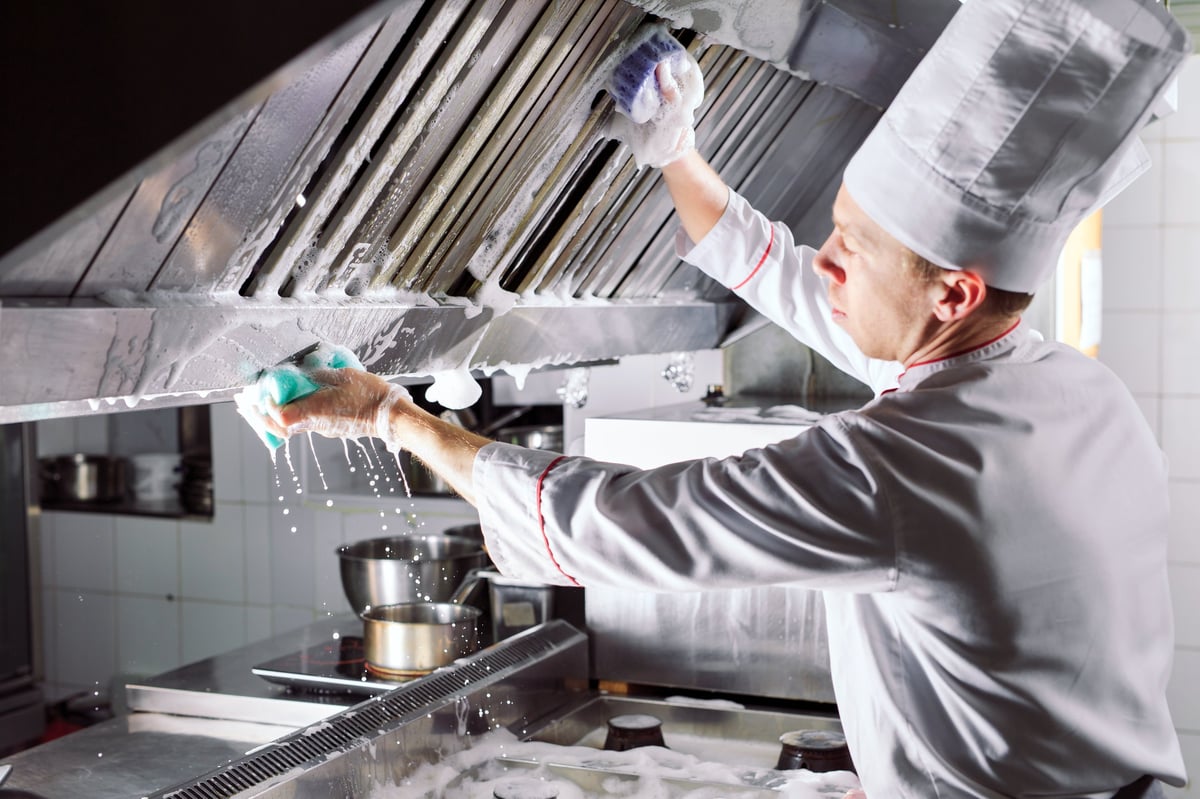
Restaurant kitchens face unique cleaning challenges that other businesses simply don't encounter. Between the constant grease production from cooking, smoke accumulation, and the strict safety regulations governing commercial kitchens, maintaining a clean exhaust hood system isn't optional—it's absolutely essential. Professional exhaust hood cleaning protects your business, your employees, and your customers.
A restaurant exhaust hood (also called a kitchen hood or ventilation hood) is the metal canopy system positioned above cooking equipment. It captures grease-laden vapors, smoke, heat, and odors, then vents them outside through a series of ducts and fans.
Over time, these systems accumulate thick layers of grease on every surface—the hood filters, the ductwork, the fan housings, and the exhaust stacks. This buildup is highly flammable and creates serious safety hazards if not professionally cleaned.
Restaurant fires caused by exhaust system grease buildup are devastatingly common. The NFPA (National Fire Protection Association) reports that cooking equipment is the leading cause of restaurant fires, with exhaust systems frequently involved.
Grease accumulation at just 1/8 inch thickness can ignite at normal cooking temperatures. A fully involved exhaust hood fire can spread throughout the ductwork and destroy an entire restaurant in minutes.
Regular professional exhaust hood cleaning removes this fire hazard before it becomes dangerous. It's the single most important fire prevention measure a restaurant can take.
Both state and local health codes mandate regular exhaust hood cleaning for commercial kitchens. Failure to comply can result in:
Most jurisdictions require exhaust hood cleaning documentation showing service within the past 3-6 months. Restaurants should maintain cleaning logs to present during inspections.
Professional restaurant hood cleaning services provide comprehensive cleaning of the entire exhaust system:
Interior and exterior surfaces, grease traps, and filter tracks
Complete removal, cleaning, and reinstallation of all filters
Horizontal and vertical ducts, including hard-to-reach areas
Fan blades, housings, and belts cleaned of all grease buildup
Stacks and termination points cleaned and inspected
Written certification of cleaning for health inspectors
Cleaning frequency depends on your cooking volume and the types of food you prepare:
| Cooking Type | Recommended Frequency |
|---|---|
| 24/7 Commercial Kitchens | Monthly cleaning |
| High-Volume Cooking (grills, fryers) | Quarterly (every 3 months) |
| Moderate Volume Restaurants | Semi-annually (every 6 months) |
| Light Cooking (cafes, delis) | Annually minimum |
Don't wait for your scheduled cleaning if you notice these warning signs:
Professional exhaust hood cleaning offers benefits that extend beyond meeting regulations:
Better ventilation means a healthier, more comfortable kitchen environment for your staff.
Clean systems operate more efficiently, reducing energy costs and extending equipment life.
Documented professional cleaning can lead to reduced commercial kitchen insurance rates.
Reduced grease exposure extends the life of your cooking equipment and ventilation system.
Not all cleaning services are created equal. When selecting a professional hood cleaning company, look for:
Whether you operate a fine dining restaurant in Greenville, a busy diner in Wilson, or a commercial kitchen in Rocky Mount, professional exhaust hood cleaning is essential for your business.
Contact Weaver Pressure Pros for professional restaurant exhaust hood cleaning services throughout Eastern North Carolina. We serve restaurants, commercial kitchens, food trucks, and institutional cafeterias with certified, thorough cleaning and complete documentation for health inspections.
Protect your business, ensure compliance, and keep your kitchen safe. Schedule professional exhaust hood cleaning today.
Weaver Pressure Pros provides professional exhaust hood cleaning services throughout Eastern North Carolina.