Restaurant Safety
July 2026
By Weaver Pressure Pros | 5 min read
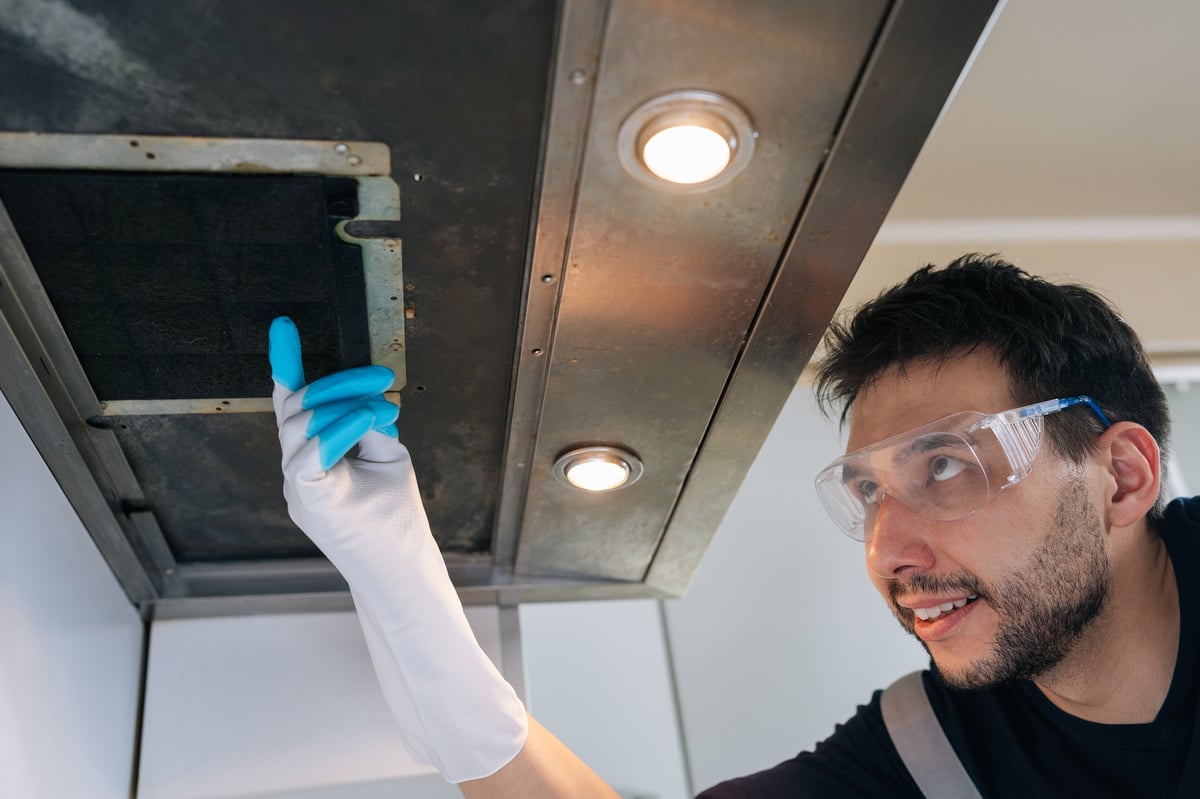
Restaurant kitchen fires are among the most dangerous and costly incidents a business can face — and grease buildup in exhaust hoods is one of the leading causes. Professional exhaust hood cleaning isn't optional; it's a critical safety requirement that protects your staff, customers, property, and livelihood.
Every time you cook with oil or fat, grease particles become airborne and travel through the exhaust system. Over time, this grease accumulates on hood filters, ductwork, and fans — creating a highly flammable coating. A single flare-up from a hot pan or grill can ignite this grease, and once a duct fire starts, it spreads rapidly through the entire exhaust system.
The National Fire Protection Association's NFPA 96 standard sets the requirements for commercial kitchen exhaust system cleaning. Key requirements include:
Beyond fire codes, health departments in Eastern North Carolina inspect kitchen exhaust systems during routine visits. A dirty hood system can result in violations, fines, or even closure. Additionally, many insurance policies require documented professional hood cleaning — and failing to maintain records can void coverage in the event of a fire.
Regular cleaning removes the grease that fuels devastating kitchen fires.
Stay compliant with NFPA 96, local fire codes, and health department standards.
Documented cleaning protects your coverage and helps with claims if incidents occur.
Clean exhaust systems ventilate better, keeping kitchens cooler and more comfortable.
While staff can wipe down accessible hood surfaces, only professional cleaning reaches the entire exhaust system — including ductwork and roof fans. Professional hood cleaning uses specialized equipment to remove grease from every surface, and provides the certified documentation required by inspectors and insurers.
Weaver Pressure Pros provides professional exhaust hood cleaning services for restaurants and commercial kitchens throughout Eastern North Carolina. Don't wait until your next inspection — contact us today to schedule cleaning and protect your business.