October 2026
Before you return rented construction equipment in Raleigh, NC, check the cleaning terms and the pickup deadline. Then assess the machine, photograph the condition, and arrange the work needed for the agreed return.
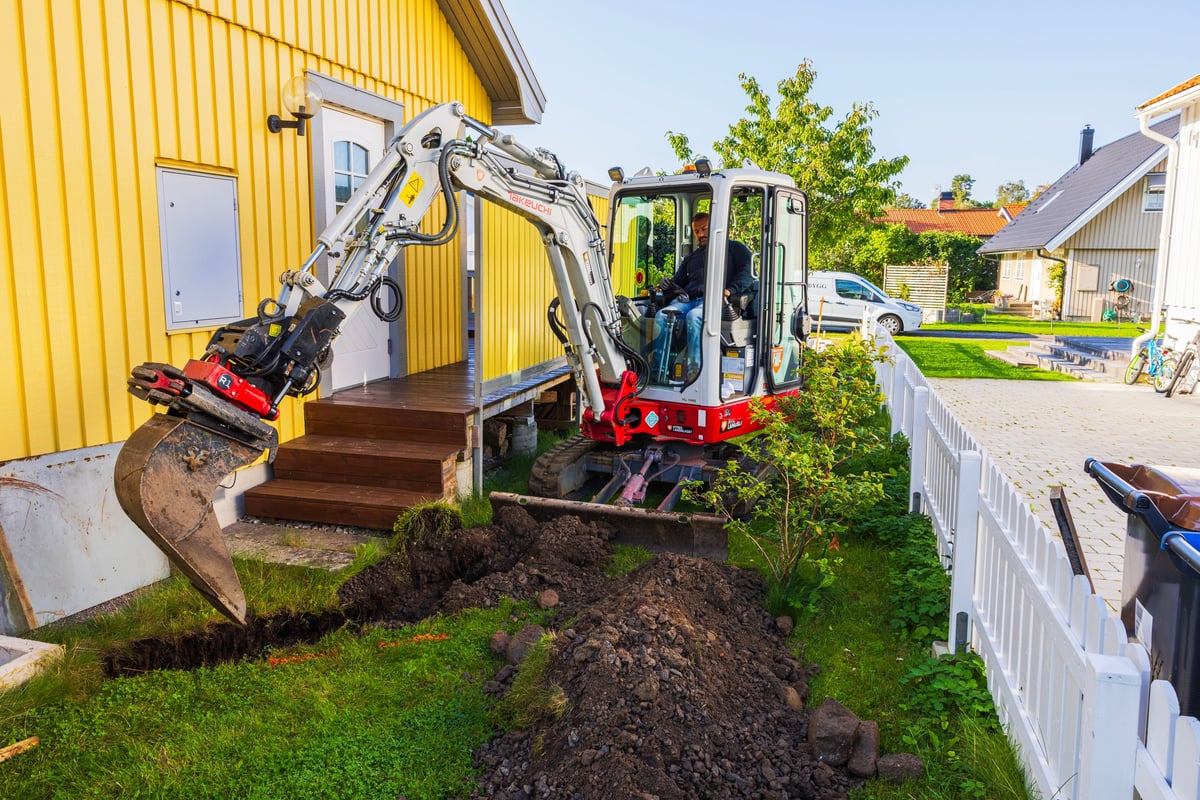
A quick rinse immediately before the transport truck arrives leaves little time to resolve packed mud, missing attachments, or questions about the cleaning standard. Planning earlier gives you time to discuss those details with the rental branch and your cleaning provider.
This checklist focuses on the return process for equipment such as excavators, loaders, and skid steers. Use your rental agreement and the machine's care instructions to decide the scope. Your provider then needs the model, current condition, work location, and timing to plan the service.
Read the return section before deciding what "clean" means for your rental. Look for terms covering machine condition, cleaning charges, fuel, accessories, transport, and the return deadline.
Do not assume every rental company uses the same requirements. Your agreement and the rental branch's instructions establish the expectations for your machine.
As one example, Sunbelt Rentals' return guidance asks customers to return equipment clean, include accessories, and follow the contract's return date and time. Use the guidance for your own provider when organizing the return.
Ask the branch to clarify anything that leaves room for different interpretations. Explain the buildup you see and request guidance on the required cleaning. Keep the response with your rental record so your crew and cleaning provider work from the same information.
Find out whether you will return the equipment yourself or the rental company will collect the machine. Confirm the location, requested date, and contact responsible for arranging transport.
Also ask how the rental company records the end of your rental. A machine parked at your jobsite and a completed return are different stages. Your contract and provider's process determine the billing details.
Leave room in your schedule for cleaning, checking the result, and addressing questions before pickup. A fixed appointment duration does not fit every machine or buildup level.
For your Raleigh project, explain when the equipment will finish work and when the transport crew expects access. If your project schedule changes, contact both the rental branch and washing provider. Keep the revised arrangements together instead of relying on separate conversations remembered by different employees.
Take clear photographs of the equipment before washing. Include the machine identification, each side, the attachment, and the areas with heavy buildup.
If you have photographs from delivery, keep those images nearby for comparison. A dated record helps show the condition at different stages of the rental.
Record visible damage separately from dirt. Examples include a cracked lens, loose panel, damaged step, or hose concern. Send questions to the rental branch before someone treats the area as an ordinary cleaning task.
Your photographs should help explain the request. A wide image shows the machine and surroundings. Closer images show packed material or an area needing a different approach. Add the equipment number to your record so photographs from several machines do not become mixed together.
Walk around the equipment from accessible ground positions. Note mud, compacted soil, loose debris, and other material that needs attention.
For an excavator, your request might include the bucket exterior, tracks, accessible undercarriage areas, steps, and outer body panels. A loader introduces a different attachment and access arrangement. Describe the actual machine rather than copying a generic equipment checklist.
Caterpillar's heavy equipment cleaning guidance discusses larger debris lodged in undercarriage areas and the value of clearing dirt before more detailed cleaning. The machine's operation and maintenance manual still provides the instructions for your model.
If the equipment has a suspected leak or damaged component, ask the rental branch how to proceed. Identify the concern before washing so the provider understands which areas need separate attention.
Request a method suited to the equipment and its surfaces. Your machine includes more than painted panels. Labels, seals, cameras, electrical components, and hydraulic areas need care according to the relevant instructions.
Provide the make, model, and any directions supplied by the rental company. Ask the provider to review the proposed cleaners, water pressure, temperature, and access method for the requested work.
Avoid requesting the strongest chemical or maximum pressure as a substitute for that review. The correct approach depends on the surface and buildup.
Special deposits need a separate discussion. Tell your provider about concrete residue, asphalt material, paint overspray, or unusual contamination before accepting the quote. Do not assume an ordinary equipment wash includes removing every deposit or restoring damaged finishes.
Your objective is the agreed return condition through compatible cleaning, with any repair questions directed to the rental owner.
Exterior equipment washing does not automatically include the cab interior. Check your rental terms and assess the inside separately.
Remove your tools, paperwork, personal belongings, and loose project materials. Keep any rental-supplied items with the machine unless the branch gives another instruction.
Look at the floor, mats, glass, seat, and accessible controls. Describe the condition to your cleaning provider and ask whether interior work forms part of the requested service.
Sensitive surfaces require compatible products and methods. Manufacturer instructions matter for displays, control panels, and upholstery. Your equipment wash should not become an unplanned interior treatment.
If your crew will handle the interior, assign the task and check completion before pickup. The exterior washing appointment and the return checklist should both show who owns each part of the preparation.
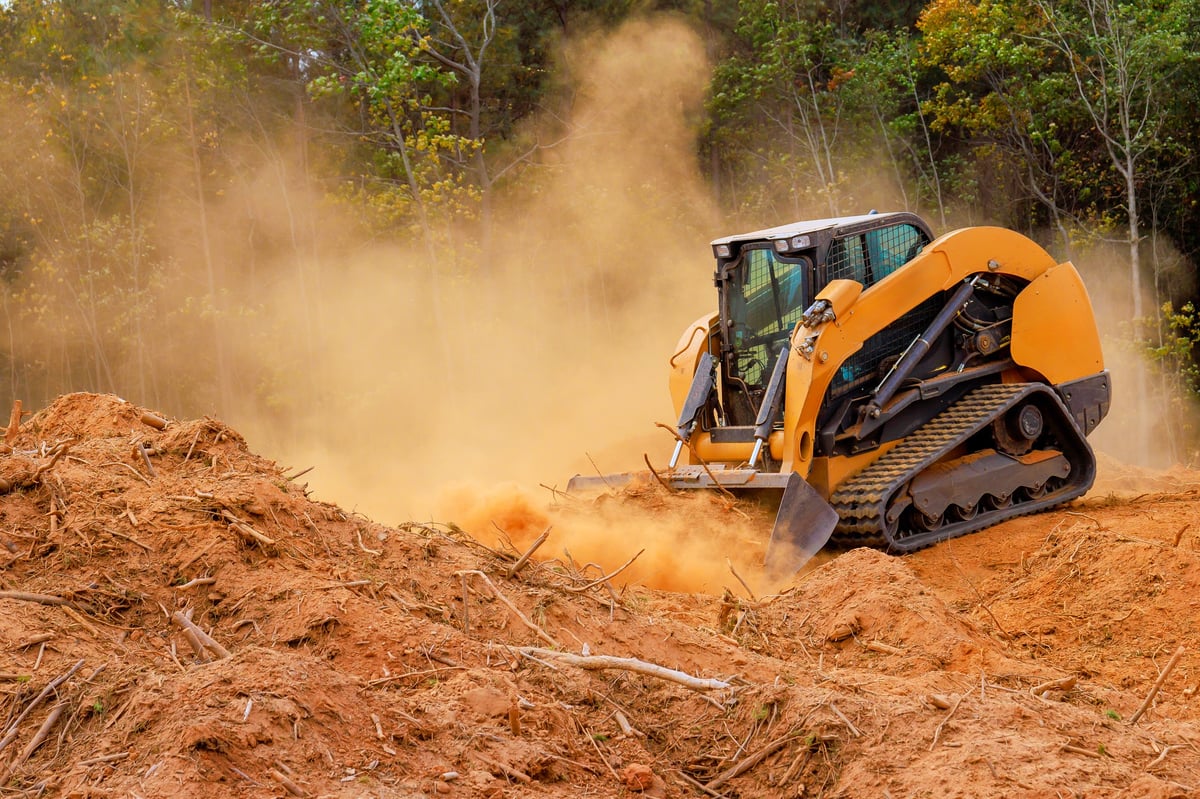
Review the accessories listed on your rental record. A clean machine with a missing attachment still leaves a return question to resolve.
Identify buckets, forks, chargers, keys, cables, manuals, or other supplied items that apply to your rental. Your actual agreement determines the list.
Keep attachments identifiable and available for the return. If an attachment also needs cleaning, include that item in the washing request and provide photographs.
Ask the rental branch how attachments should remain positioned or secured for collection. Your authorized operator should handle movement and placement under the appropriate procedures.
Do not leave the transport driver to locate accessories around the site. Assign one person to check the list and point out the items during pickup. This gives the return process a clear handoff.
Tell your provider where the equipment will sit during cleaning. Include the site entrance, surface type, nearby drains, available working room, and active traffic.
A Raleigh construction site and a separate equipment yard offer different conditions. Your provider needs the actual location before determining how to approach the work.
If washing will take place on property controlled by another company, confirm permission and access arrangements. Explain any site check-in or work-hour requirements.
Plan where the machine will go after washing. Moving back into the same muddy work area introduces another preparation task before transport.
Weaver Pressure Pros provides heavy equipment cleaning at customer locations. Share the jobsite or yard details when asking whether the location suits your requested service.
Review drainage with the washing provider before the appointment. Identify storm drains, nearby channels, and the direction water moves from the proposed work area.
The City of Raleigh's detergent and soap guidance explains that wash water and cleaning chemicals need to stay out of the stormwater system. The city also discusses collection and designated washing areas for professional work.
Ask your provider to explain containment and the approved disposal arrangement for your site. Confirm any required permissions with the responsible owner, utility, or local authority.
A suitable work plan accounts for both the equipment and the material removed from the equipment. The cleaner's product label and the selected wash location form part of that discussion. Agree on the arrangement before the crew begins.
Send the equipment make, model, size, identification number, and photographs of the current condition. Identify the surfaces or attachments that need cleaning.
Include the Raleigh work address and pickup deadline. Explain whether your operator will remain available to reposition the machine if the provider needs different access.
Ask which tasks the quote covers and which deposits require separate assessment. Compare service scope along with price. A quote for outer panels differs from a request involving tracks, attachments, and cab cleaning.
Weaver's construction equipment cleaning page provides a starting point for discussing the machine types and work you need.
Tell the provider about any rental branch instructions before booking. Those directions affect the request and help prevent a disagreement about the expected result after the appointment.
Walk around the machine after the service using the same return priorities you established earlier. Compare the finished work with the agreed scope and the rental company's instructions.
Check the areas identified in your request. If a deposit still needs attention, contact the provider before transport arrives. Ask whether the remaining material belongs in the original scope or needs a separate assessment.
Take photographs after cleaning. Include the equipment identification and the same views recorded before the service. Keep both sets with the rental paperwork.
Cleaning sometimes makes an existing condition easier to see. Report damage or mechanical concerns to the rental branch and follow the owner's directions. Do not treat a completed wash as confirmation that every component meets the rental company's acceptance requirements.
Save the washing invoice or service record, photographs, rental branch instructions, and pickup confirmation in one place.
Those records answer different questions. The cleaning record shows the work requested and performed. The rental return documents show the handoff and the branch's assessment.
If your provider reports a concern during service, include the message in the equipment record. Send the relevant information to the person arranging pickup.
When the rental branch supplies a final invoice, compare any cleaning-related item with your agreement and records. If you have a question, request an explanation from the branch using the specific machine number and return date.
A clear record supports the discussion. Hiring a washing service does not automatically remove cleaning charges or other obligations under your rental agreement.
Consider a Raleigh contractor finishing an excavation project with a rented compact excavator and two buckets. The pickup appointment falls after the final workday.
Before cleanup, the project manager reviews the rental instructions and photographs mud around the tracks, the bucket exterior, and the lower body. The manager also records a damaged light lens and asks the rental branch how to address that concern.
The contractor requests exterior cleaning and attachment cleaning as separate identified tasks. The washing provider reviews the machine details, site access, and wash-water arrangement before confirming the appointment.
After washing, the contractor photographs the result, checks the two buckets against the rental list, and moves the machine to the agreed collection area through an authorized operator.
The project manager retains the cleaning record and pickup documents together. The rental company still assesses the return under its own agreement. This example shows how to organize the process without assuming a guaranteed acceptance decision.
Assign a person to complete the checklist so each task has a clear owner before pickup.
Review the rental company's return process and timing requirements first. Arrange cleaning around those instructions and the confirmed transport plan. Leave time to check the result before the handoff.
The rental agreement and return assessment determine charges. Ask the branch to explain its standard before booking the wash. Keep photographs and service records to support any later question.
Ask your provider to confirm the scope. Interior floors, controls, seats, and glass involve separate surfaces and methods. Assign interior preparation explicitly when the rental terms require that work.
Report the condition to the rental branch before cleaning the affected area. Follow the owner's instructions for assessment or repair. Give your washing provider the same information.
A planned return starts with clear instructions. Review your agreement, assess the equipment, and book the appropriate cleaning while time remains to check the result.
Weaver Pressure Pros serves Raleigh through its listed service areas and offers mobile cleaning for construction equipment.
To discuss rental equipment cleaning in Raleigh, NC, contact Weaver Pressure Pros or call 252-883-8212. Share the machine details, condition photographs, rental instructions, and pickup deadline so the team understands your request.