October 2026
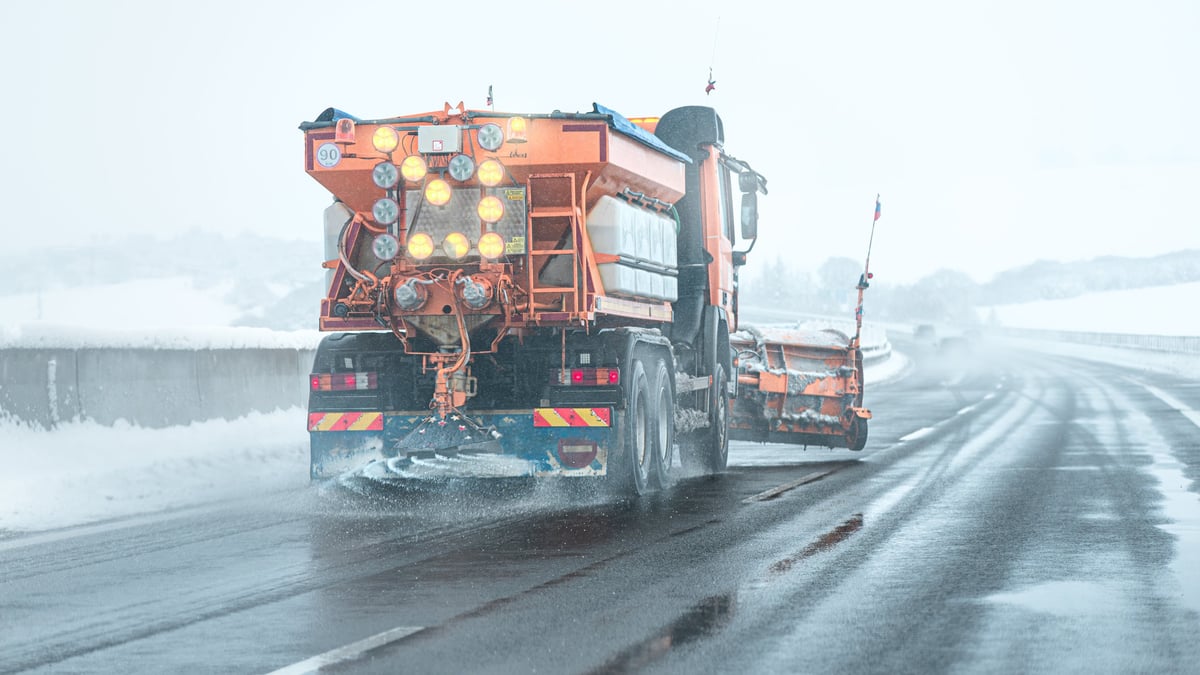
Road salt on your trucks deserves attention after a winter route. Your fleet needs clean exterior surfaces and appropriate underbody care so winter residue does not become a neglected part of vehicle maintenance.
For fleets based in Greenville, Wilmington, Wilson, and Rocky Mount, the right washing plan follows the roads each vehicle travels. Routes into Raleigh and other parts of North Carolina also belong in that review. Weather at your home yard describes one location, while your truck's exposure reflects the full trip.
This guide explains why road salt removal matters, how to plan winter fleet washing across Eastern NC cities, and what to discuss before booking service. Use your vehicle care instructions, route records, and site conditions to build a schedule suited to your operation.
Freightliner's EconicSD operator manual identifies road salt as corrosive and warns about damage to anti-corrosion protection from remaining residue. The manual recommends more frequent winter washing to remove residue, along with checks for corrosion and attention to damaged protection.
That guidance gives fleet managers a practical reason to include washing in winter maintenance. Your request should address the areas affected by road spray and follow the instructions for each vehicle. A clean cab exterior alone does not establish the condition of the underside.
Treat cleaning as one part of caring for the vehicles your business owns. Remove residue through an appropriate method, record the work, and send existing corrosion concerns to your maintenance professional.
The North Carolina Department of Transportation explains its road treatment process. Depending on conditions, crews apply brine before a winter event. Brine contains water and salt. After plowing, crews also use salt, sand, or a mixture on road surfaces.
That matters because exposure starts with treated roads. A truck does not need to drive through deep snow to travel over a route crews have prepared for winter weather.
For your Eastern NC fleet, review where each vehicle traveled and whether road treatment occurred along the route. Use dispatch records and driver observations to understand exposure. Check DriveNC for road conditions and traffic information while planning your operations.
Regional conditions also differ during a single storm. In its January 26, 2026 storm update, NCDOT reported many roads east of Interstate 95 clear while crews continued clearing harder-hit areas. The agency also moved crews from the Wilmington area to assist around Raleigh.
That example supports reviewing the actual route rather than assuming every Eastern NC city experiences the same conditions. Road-condition information helps with planning. Your vehicle records and condition review guide the washing request.
A vehicle returning from another part of North Carolina also needs review. Conditions at your home yard do not describe every road the truck used earlier that day.
A clean-looking cab does not tell you the condition of every surface below the vehicle. Your winter washing discussion should include the accessible underside and other areas affected by road spray.
Ford's exterior cleaning guidance recommends frequent underbody washing when roads receive salt. The same guidance calls for removing road salt from exterior surfaces. Follow the manual for your own vehicle rather than treating one manufacturer's instructions as a universal procedure.
Ask drivers to report visible winter road film, buildup around wheel wells, and the conditions encountered during the trip. Those observations support a cleaning request. They do not replace a mechanical inspection or identify the exact chemistry of every deposit.
Use route exposure and vehicle condition together. Waiting for a white film across every body panel leaves too much of the decision to appearance.
When a vehicle returns from known salt or brine exposure, review the next practical opportunity for washing. Consider the manufacturer's care instructions, the vehicle's condition, upcoming dispatch, and the weather at your yard.
Set the timing with your provider using the vehicle's care instructions and recent exposure. Different vehicles, protective finishes, routes, and operating schedules need different plans.
A useful approach is to make exposure a trigger for review. Your dispatcher flags the returning unit, your maintenance contact checks the request, and your wash provider helps schedule appropriate residue removal.
If the vehicle will immediately return to treated roads, discuss that repeat exposure too. One wash handles a particular cleaning visit. Your schedule still needs to account for the next trip and the next return.
Ask what underbody cleaning your provider offers for your vehicle type. A general exterior wash and an agreed underside service involve different access and work.
Identify the surfaces you want addressed. Discuss accessible wheel wells, lower body areas, and the underside according to the vehicle's manufacturer guidance. Ask the provider to explain limitations before approving the scope.
Weaver Pressure Pros lists undercarriage washing among its delivery fleet cleaning services. Confirm the details for your trucks, trailers, or vans when requesting a winter appointment.
Your request should also account for vehicle clearance and any added equipment. A specialty body, liftgate, utility installation, or trailer changes access. Supply model information and photographs so the provider understands the vehicle before arriving.
Avoid marking underbody work complete solely because the truck's sides look clean. Compare the finished service with the scope you agreed upon.
More pressure does not automatically mean a better winter wash. The cleaning method needs to suit the surface and component involved.
Freightliner's Cascadia washing guidance directs owners to read cleaner instructions and follow manufacturer recommendations. The guidance also restricts pressure washing around labels and vehicle electrical areas.
Give your provider the instructions relevant to your own truck. Share concerns about loose labels, damaged seals, exposed wiring, recent paintwork, and specialty equipment.
If the provider recommends a salt-removal product, ask about compatibility and the required rinse process. Product choice should match the vehicle and the label directions. Your service request should describe the residue and desired work rather than demand the strongest chemical available.
Cleaning removes deposits from the surfaces the process reaches. A separate maintenance assessment addresses existing corrosion, damaged coatings, and component problems.
Before scheduling an outdoor winter wash, review the work area and the expected temperature during and after service. Washing introduces water, and the site needs a plan for conditions that promote freezing.
Discuss pavement conditions, drainage, shaded sections, and the routes drivers use after the appointment. Ask the provider whether the selected location and time support the planned work.
If conditions do not support the service, coordinate a different time or a suitable alternative location. Dispatch convenience should work alongside the site assessment.
Do not assume heated washing equipment answers every freezing concern. The provider still needs to consider runoff and conditions around parked vehicles. Your yard contact should share current observations before the crew travels to the site.
Whether your yard is in Greenville, Wilmington, Wilson, or Rocky Mount, review the complete service window, including when vehicles will move again. The arrival forecast alone does not describe the conditions after the visit.
Separate trucks by availability and exposure. Some units need washing after winter routes, while others remain parked or operate on routes without the same conditions.
Create a short unit list showing the vehicle number, return time, exposure notes, and next dispatch. Share that information with your provider.
For example, your first group might include vans returning before the evening shift. A second group might include trucks arriving later from regional runs. Agree on the sequence before parking vehicles in the work area.
Weaver's mobile on-site fleet washing service offers scheduling options at customer locations. Discuss your operating hours and the actual availability of each unit.
Your first winter appointment also needs a prepared yard. Ask your contact to identify the entrance, work area, nearby drains, and employee responsible for vehicle movement.
Salt residue is part of the material your winter wash removes. The work area therefore needs a wash-water plan along with a vehicle plan.
North Carolina's vehicle washing guidance explains that wash water collects detergents and automotive contaminants. The guidance describes storm drain discharge as a water quality concern and discusses collection and permitted disposal.
Before service, ask how the provider will manage wash water at each location. A Greenville depot, Wilmington equipment yard, Wilson business property, and Rocky Mount truck yard each need a site-specific discussion. Explain drainage conditions and confirm the disposal arrangement with the relevant site owner or authority.
Keep this discussion specific to the work area. An open parking space does not establish an acceptable discharge route, and a biodegradable detergent does not determine where the wash water belongs.
A recurring plan provides a starting schedule. Winter route changes add information that the original schedule might not include.
If several vehicles repeatedly travel on treated roads, review whether the usual appointment interval still fits their exposure. Ask your provider about changes to frequency, grouping, or scope during that period.
Vehicles with different routes do not need identical scheduling decisions. Use your records to distinguish units with frequent winter exposure from units that remain parked.
Weaver's fleet maintenance plans include recurring and custom arrangements. Explain the route pattern when discussing a seasonal adjustment.
After treated-road exposure ends, reassess the plan using current conditions. Your cleaning schedule should respond to the way your fleet operates rather than continue a winter routine without review.
Keep a simple service record for each unit. Include the date, exposure notes, agreed scope, completed work, and any reported condition that needs follow-up.
This record helps your dispatcher and maintenance staff answer practical questions. Which trucks received the underbody service? Which unit arrived after the crew finished? Which vehicle needs a maintenance review for damaged coating?
Use photographs when those images help document a specific condition. Match each image to the unit number and date. An unlabeled picture of a truck underside provides little value weeks later.
Your wash provider should receive any service concerns promptly. Compare the question with the original scope, then agree on the next step. Keep unresolved maintenance issues in the maintenance record so washing appointments do not replace necessary repairs.
For your Greenville operation, separate vehicles staying on local routes from vehicles returning from longer regional trips. Those groups need a review based on the roads traveled rather than one decision for the whole fleet.
If your business runs cargo vans and box trucks, record the vehicle type alongside the return time and exposure notes. Discuss underbody access for each type with your provider. Plan the visit around the units available at your Greenville yard and record any truck that misses the appointment.
This approach connects the cleaning request to your actual routes and equipment.
A Wilmington-based vehicle that travels inland needs a review of the full route. Conditions at the coastal yard do not establish whether crews treated roads elsewhere on the trip.
When the truck returns, note the route, visible lower-body film, and upcoming dispatch. Ask your provider about the appropriate exterior and accessible underbody work. Share the washing location and site conditions before choosing the appointment.
For equipment moved on trailers, include the towing vehicle, trailer, and machine separately in your request when all three need assessment. The agreed scope should identify the work for each item.
For a Wilson business with several return windows, organize washing around vehicle availability. Identify the units that return early and the trucks that finish regional routes later.
Give your provider a list showing unit numbers, return times, and the requested work. Agree on a sequence that keeps the washing area separate from loading and dispatch activity.
If vehicles from another company yard arrive at your Wilson property, add their exposure notes to the same record. Your local service appointment should reflect the history of the vehicles present, including work completed outside Wilson.
For your Rocky Mount yard, give repeat winter exposure a place in the recurring schedule. A truck washed after one treated route needs another review when the next trip introduces new residue.
Use the unit record to distinguish vehicles ready for washing from those still completing routes. Discuss changes to appointment frequency when repeated exposure affects several trucks.
If your business operates yards in both Rocky Mount and Wilson, use consistent unit records across the two locations. The vehicle's latest trip and latest completed service should stay visible when responsibility moves between employees or facilities.
Include Raleigh trips when reviewing a fleet based in Greenville, Wilmington, Wilson, or Rocky Mount. A home-city forecast does not cover every part of the route into central North Carolina.
Record exposure notes after the vehicle returns and tell your wash provider where the truck will be available. If service will take place at a Raleigh location, provide that yard's address, access details, and drainage conditions.
Weaver Pressure Pros lists Raleigh alongside Greenville, Wilmington, Wilson, and Rocky Mount on its service areas page. Confirm the requested work and appointment arrangement for your location.
Your winter fleet washing plan should connect route exposure with appropriate care. Review trucks returning from treated roads, confirm the needed scope, and choose a service window suited to the vehicles and each yard. A regional plan works best when your records follow the vehicle between locations.
For help organizing the recurring routine, read Weaver's guide to creating a fleet maintenance cleaning schedule.
To discuss road salt and brine removal for your Eastern NC fleet, contact Weaver Pressure Pros or call 252-883-8212. Share your Greenville, Wilmington, Wilson, Rocky Mount, or Raleigh service location, unit list, and winter route pattern so the team understands your request.